Employee Shareholder Class Action against FNZ
A USD 4.6 billion case of shareholder oppression, seeking to hold world heavyweight investors accountable for their actions. Follow our fight for justice.
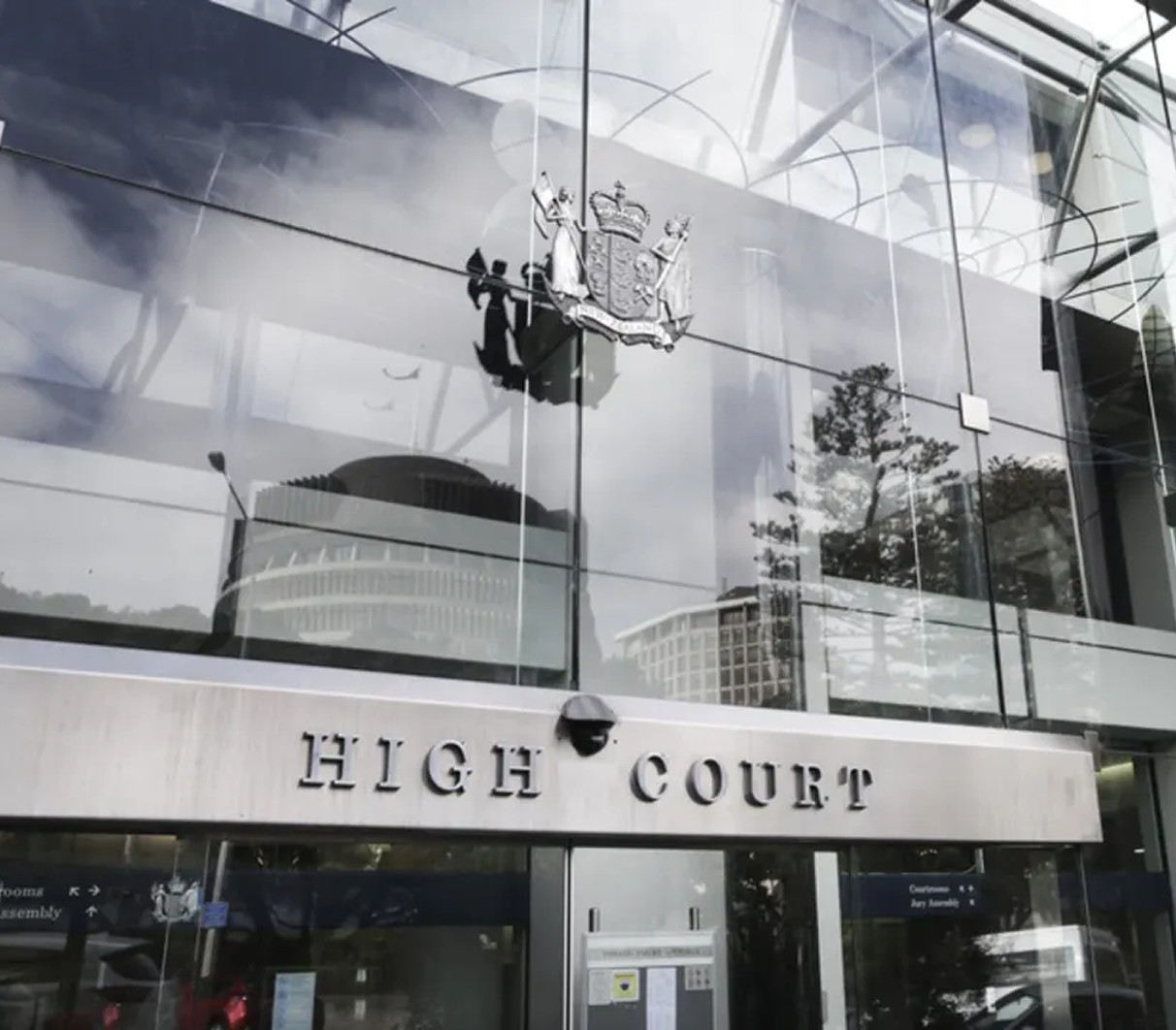
Next hearing: May 2026, High Court of New Zealand

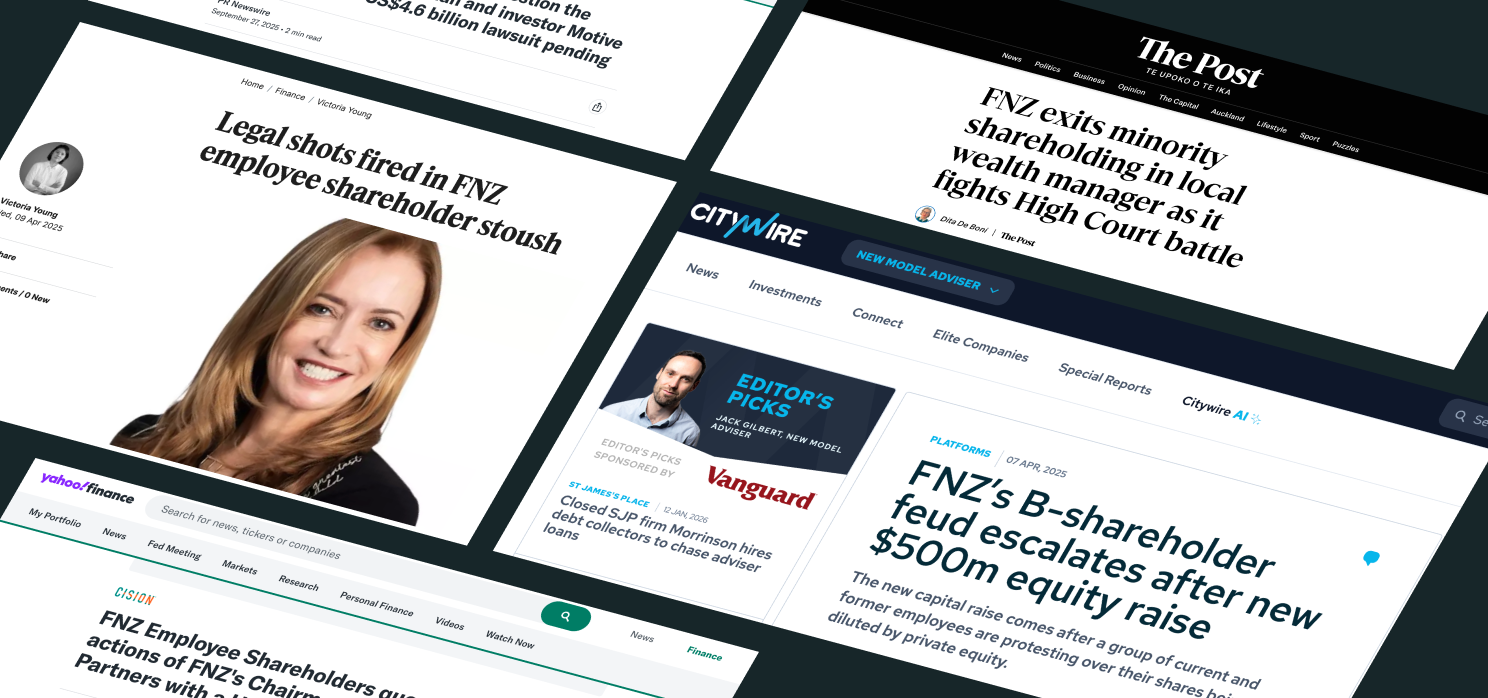
Investment News New Zealand: “FNZ staff-shareholder stoush ‘very much alive’
|
Finextra: “FNZ to face $4.6 billion class action lawsuit”
|
Money Marketeting UK “High Court to hear $4.6bn case against FNZ in May”
|
The Globe and Mail (Canada) “Caisse and CPPIB increase investment in FNZ as software firm battles shareholders over dilution”
|
The Globe and Mail (Canada) “Caisse and CPPIB increase investment in FNZ as software firm battles shareholders over dilution”
|
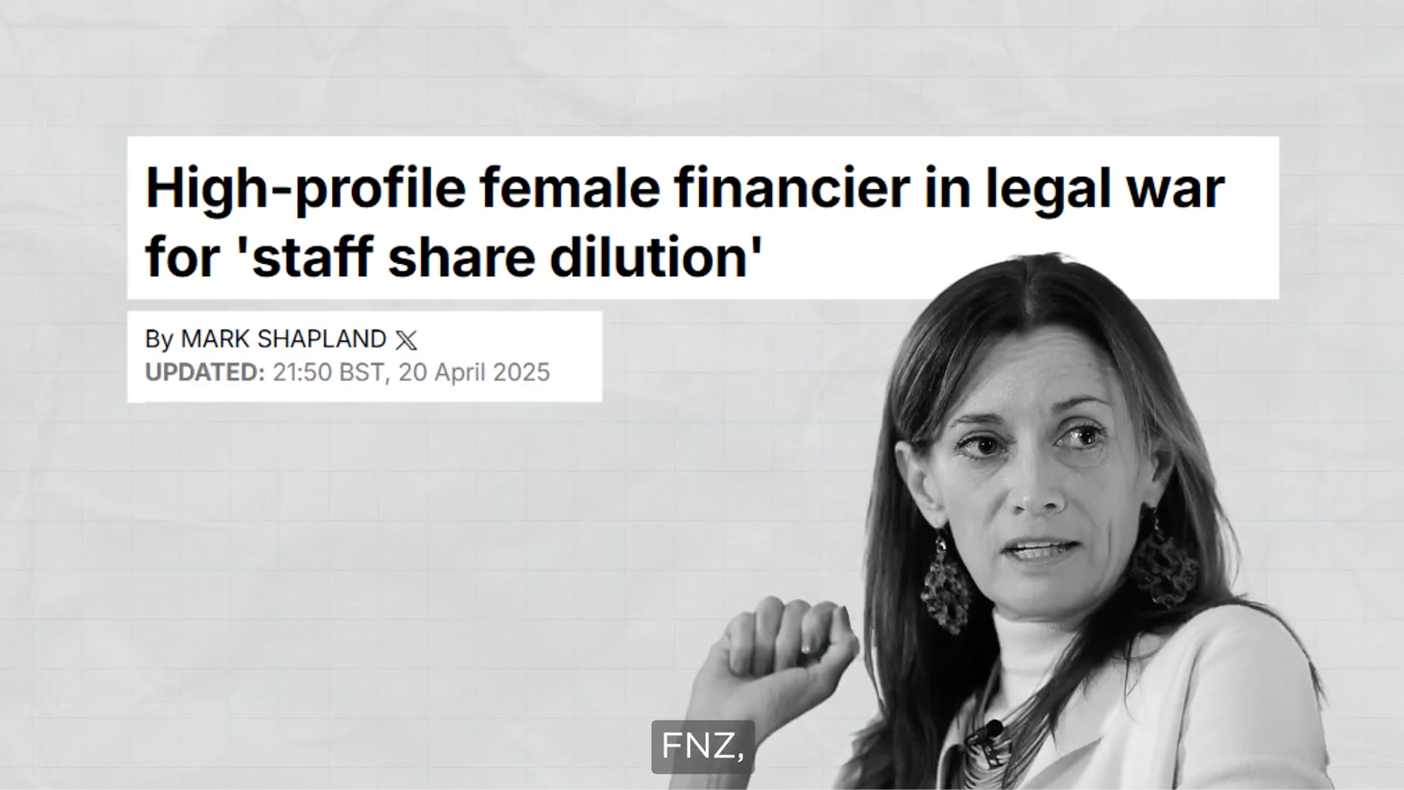
The Daily Mail (UK) “Betrayed' workers file £3.5bn lawsuit against bosses over shares drop”
|
Investment News New Zealand: “FNZ staff-shareholder stoush ‘very much alive’ | Finextra: “FNZ to face $4.6 billion class action lawsuit” | Money Marketeting UK “High Court to hear $4.6bn case against FNZ in May” | The Globe and Mail (Canada) “Caisse and CPPIB increase investment in FNZ as software firm battles shareholders over dilution” | The Globe and Mail (Canada) “Caisse and CPPIB increase investment in FNZ as software firm battles shareholders over dilution” | The Daily Mail (UK) “Betrayed' workers file £3.5bn lawsuit against bosses over shares drop” |
Who are we?
We are the plaintiffs. A group of around 200 employee and former employee shareholders who are suing FNZ Group in the New Zealand High Court for US $4.6 billion.
We represent the second largest shareholder group in FNZ, owning around 23% of the company’s ordinary equity, which we funded ourselves through a buyout in 2009.

Who is FNZ?
FNZ’s shareholders are some of the largest institutions in the world including the La Caisse, which manages pension plans and insurance programs in Quebec, the Canada Pension Plan Investment Board (CPPIB) and the Singapore government’s investment arm, Temasek, as well as private equity firms Generation Investment Management (chaired by Al Gore) and Motive Partners, where FNZ’s CEO Blythe Masters is a founding partner. Each of these institutional investors hold at least one seat on the board.
FNZ is a global financial technology and services company that partners with the biggest names in finance across the world. More than US$2 trillion in retail pension and investment assets are administered on the FNZ platform.
Why we are taking action?
Our lawsuit alleges the effect of three controversial equity raises executed by the FNZ Board in 2024 and 2025 transferred wealth from the employees who built the company (us) to the company’s institutional investors.

The raises amounted to US$1.5b in new capital, and we allege they were issued on unfair commercial terms.
The USD 1.5b capital was supplied by FNZ’s institutional shareholders, CDPQ, CPPIB, Temasek, Generation and Motive, who are also the majority of the board. This means they essentially issued the shares to themselves, on terms that they decided, at the expense of employees.
The effect of these transactions was a transfer of wealth from us, the employees who built the company, to these institutions who control the board. We claim this transfer is worth USD 4.6 billion.
Our claim alleges serious breaches of the New Zealand Companies Act, including minority shareholder oppression, directors not acting for a proper purpose, directors not acting in the best interests of the company and directors not acting with the care, skill and diligence that would be expected in these circumstances. Our claim has 16 allegations across these areas.
Why New Zealand?
FNZ was founded and is legally registered in New Zealand, which means the company must comply with:
• The Companies Act 1993
• Requirements of the Companies Office
• New Zealand tax law
Key dates in the case so far:
May 2026
It is one of the world’s largest active class actions and has now been set down for a two-day hearing on the first substantive matter in the case in May 2026.

October 2025
In October 2025 we subsequently filed a second-class action in the High Court of New Zealand, on identical terms to the first but represented by a new plaintiff, ensuring the claims advance despite their ongoing attempts to stop the case from being heard.
July 2025
In July 2025, we filed a USD$4.6 billion legal claim in the High Court of New Zealand against FNZ Group Limited and 17 of its current and former Directors.
More on the case:
Prior to these equity raises, FNZ’s last publicly available valuation was approximately USD$20 billion, and therefore the estimated value of the shares held by employee shareholders bringing the class action, prior to the impact of these prejudicial equity raises, was approximately USD$4.6 billion.
The new $1.5 billion in capital was issued by institutions as preference shares, delivering themselves a 200% return on capital invested ($4.5 in total) in preference to employees.
Our claim alleges these transactions were approved by FNZ directors who carried significant conflicts of interest in relation to the terms of these transactions and the benefits they provided themselves. They approved these self-serving benefits at the expense of employee shareholders, and with no regard for the fair market value of the company’s equity (despite having access to numerous independent valuations, placing it around $20 billion).
In addition to these preference terms, institutional shareholders also issued themselves warrants for negligible consideration (penny warrants) that diluted common equity even further.
Finally, these capital raises and their impact were not disclosed to the affected employee shareholders until six months after the first two of the three equity raises had occurred. The disclosure documentation was then amended at least four times due to errors and most likely the view that it did not provide adequate disclosure for retail investors.
Silencing tactics:
Since the claim was filed, FNZ has spent months and, most likely, tens of millions of dollars trying to stop the case proceeding using multiple tactics such as:
Ongoing efforts to block an entity representing employee equity interests from being a plaintiff in the case;
Trying to have the case stayed via memoranda filed in the New Zealand High Court which has now been rejected several times;
Allowing an environment whereby current and former employees are concerned about retribution should they join the class action - even though its anonymous.
All of these attempts have failed to prevent the case from being heard, and the High Court of New Zealand has now set a date for the first material hearing on key issues in the case.

Recent headlines
Videos
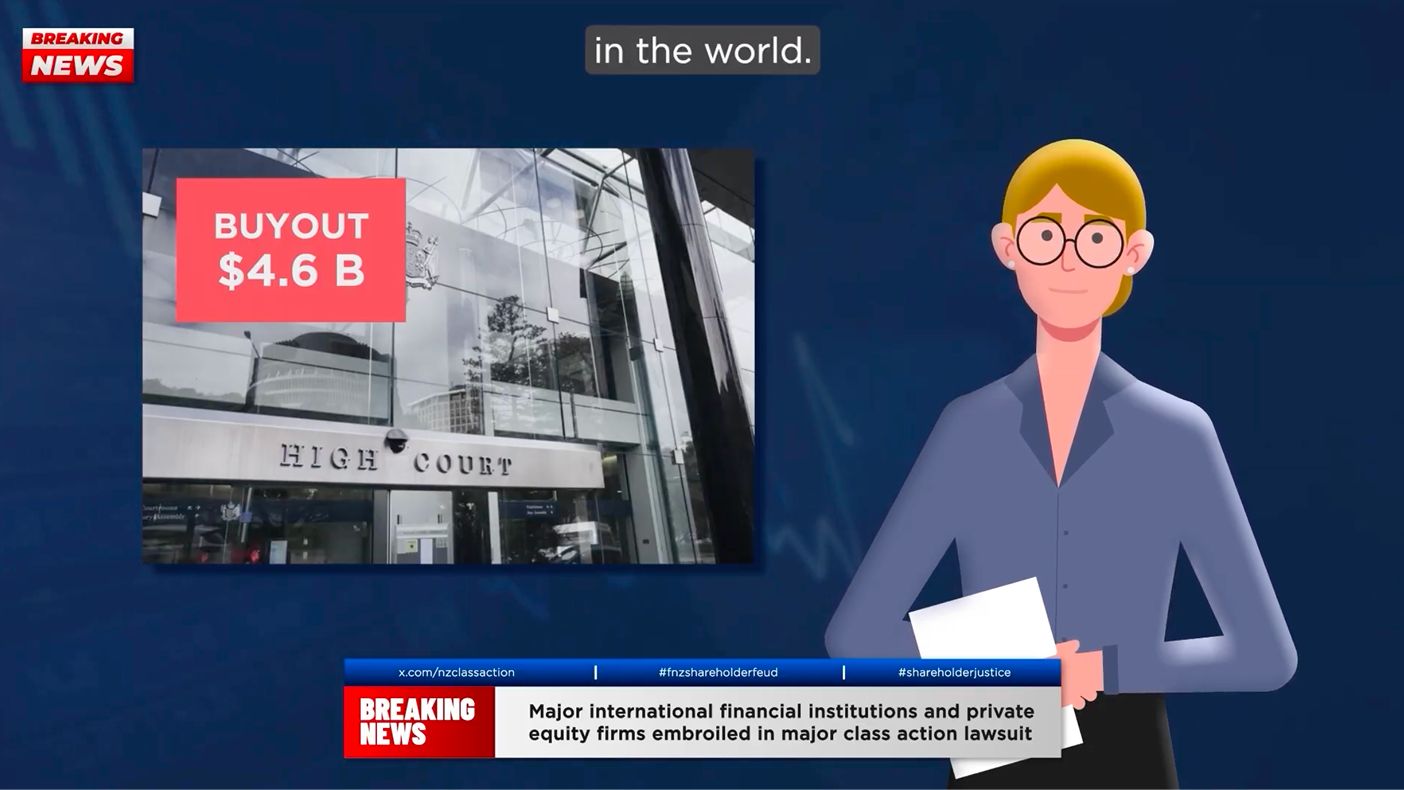
These short videos explain our case and milestones to date.


Get in touch
We're happy to help with any media queries, general information, or to explore how you can support our class action.